How we farm
We didn't start with a farming system. We started with ordinary things — an egg, some grass and a few animals — and gradually learned to see more of the connections between them.
You can’t be green while you’re in the red.
It’s the line we come back to most. A farm that’s good for the land but loses money won’t last, and neither will one that pays its way by wearing out the people who run it. It has to work for the land, the books and us, all at the same time.
For the land, the question we ask is simple:
Is the land getting better or worse because of the way we farm it?
We’re wary of optimising. Nature isn’t efficient, it’s lavish. Things grow fast until something pushes back. A sheep isn’t an efficient machine for turning grass into meat. It’s an animal living on the paddock, and what it leaves behind feeds the soil and everything growing in it. Judge it on kilos of meat alone and you miss most of what it gives back. That’s the trouble with chasing efficiency: it trades away what we can’t measure for what we can. Not everything that matters can be measured, and not everything we can measure matters.
We’re trying to build something that can keep going.
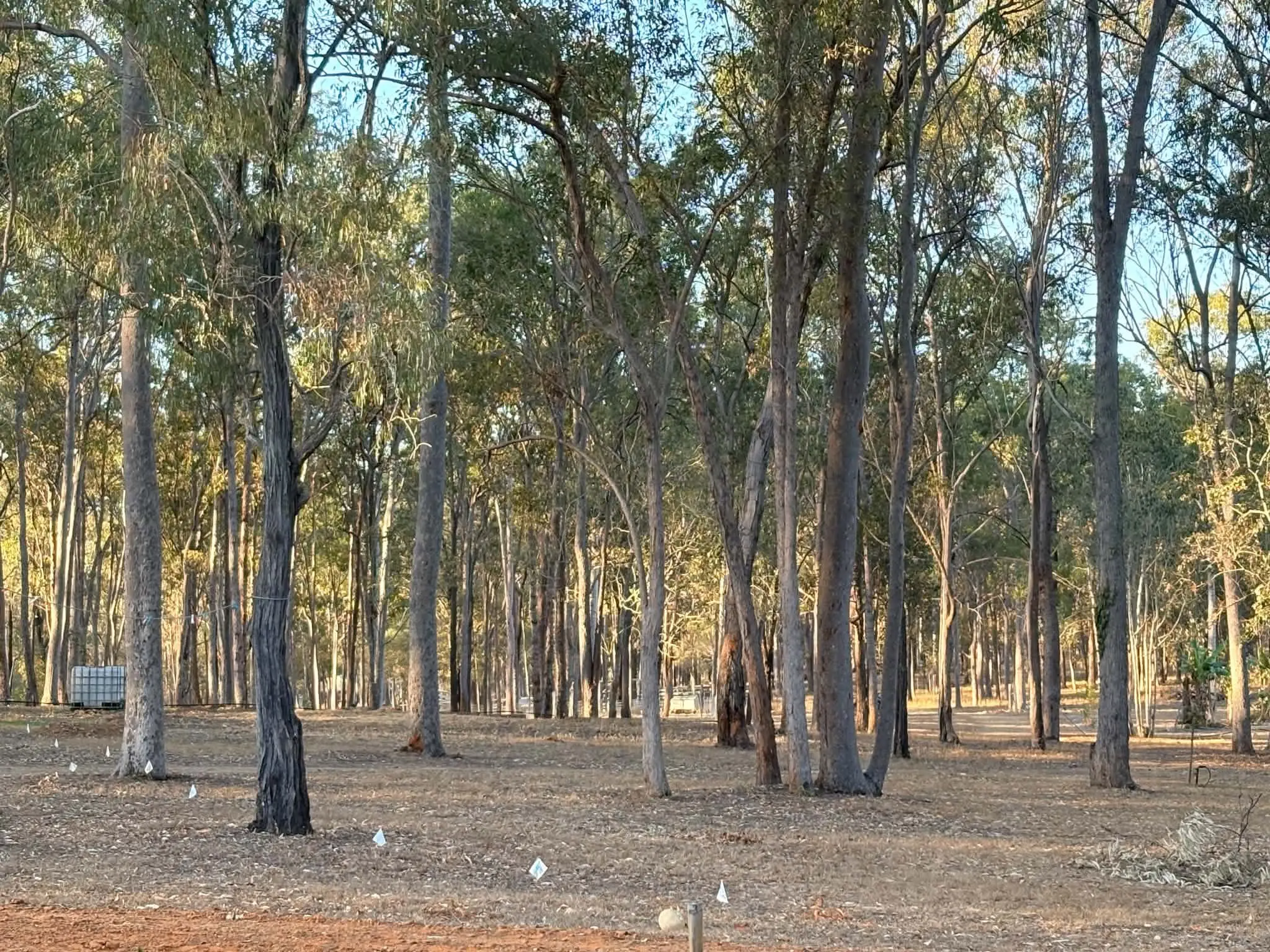
It starts with sunlight
Watch a sheep eat grass and you’re watching sunlight become food.
Grass is built largely from carbon in the air and water, powered by the sun. Its roots feed the life in the soil. We can’t eat grass, but sheep can. That sounds obvious, but a lot of sheep and cattle are finished on grain. Ours eat grass.
How they eat it matters just as much. Leave sheep in one paddock and they keep going back to the best plants, biting them down again before they’ve had a chance to recover. Grass grazed like that gets weaker, its roots shrink, and bare ground follows. So we move the sheep on and give each paddock a rest. Grass that’s had time to recover comes back with more leaf, catches more sunlight, and puts more carbon into the ground through its roots.
That’s why a green paddock looks different to us now. Every leaf is catching energy and putting it to work.
Everything else starts there.
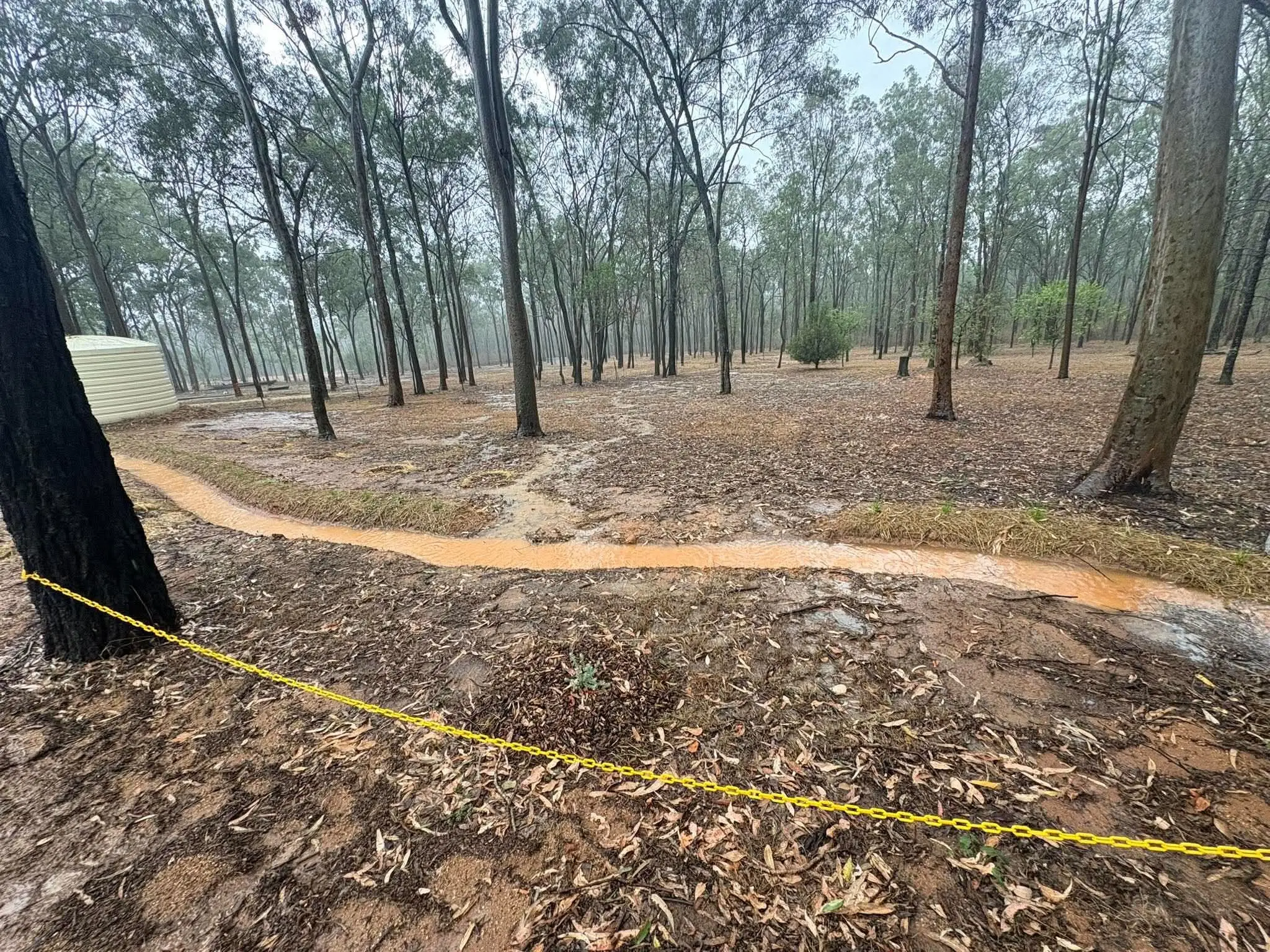
Water has to stay long enough to matter
Rain on the roof feels useful. Rain running straight off the farm doesn’t.
We want water to slow down, soak in and stay where roots can reach it. Sometimes that means digging shallow contours across the slope, so a storm has somewhere to sit and soak in. Often it just means keeping the ground covered and full of living roots.
Around here, water is the difference between a paddock that keeps growing and one that gives up.
So we’re learning to make every shower last a little longer.
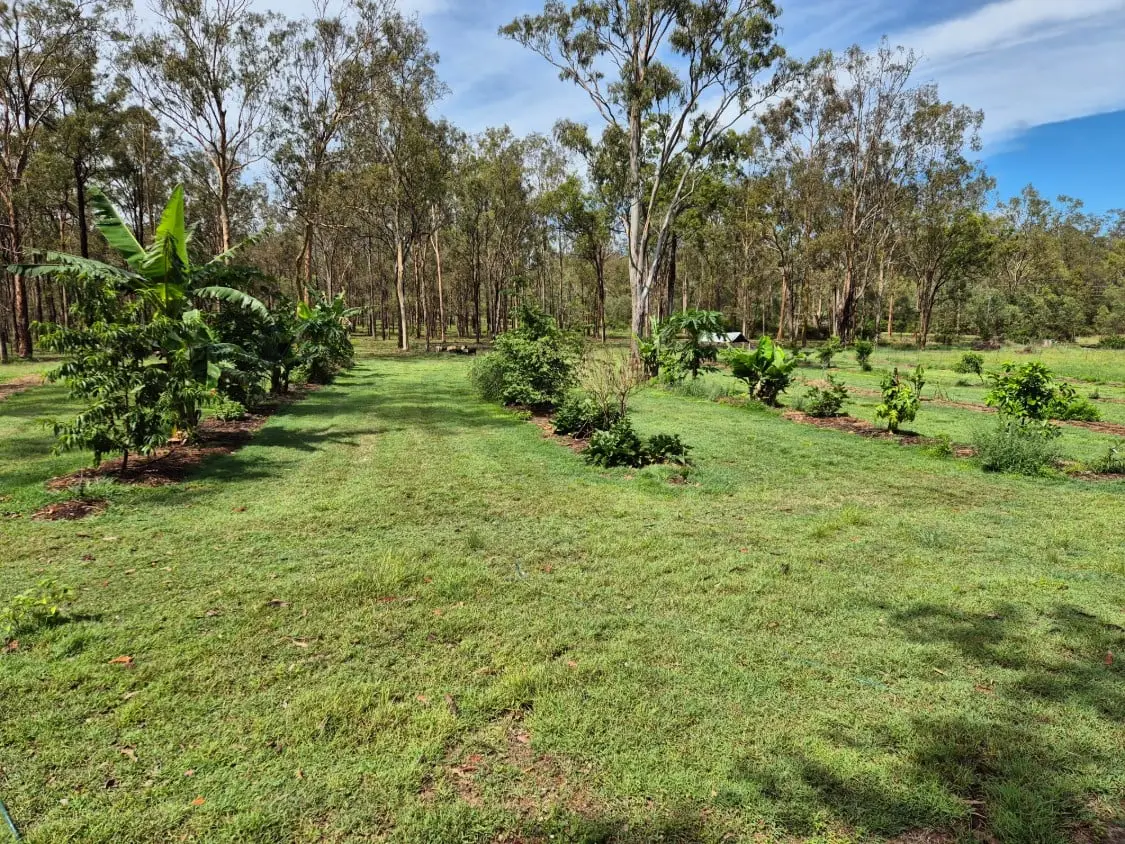
Diversity gives the system more options
A paddock full of one thing only has one answer to the weather.
Different plants root at different depths, grow at different times and handle heat, cold and dry spells differently. The same is true across the rest of the farm — trees, insects, birds, fungi and frogs all fill different roles.
We don’t want everything doing the same job. The food forest is planted that way on purpose: a row of fruit trees, then a row of plants there to feed the soil, then fruit trees again.
We want enough variety that when conditions change, something is still working.
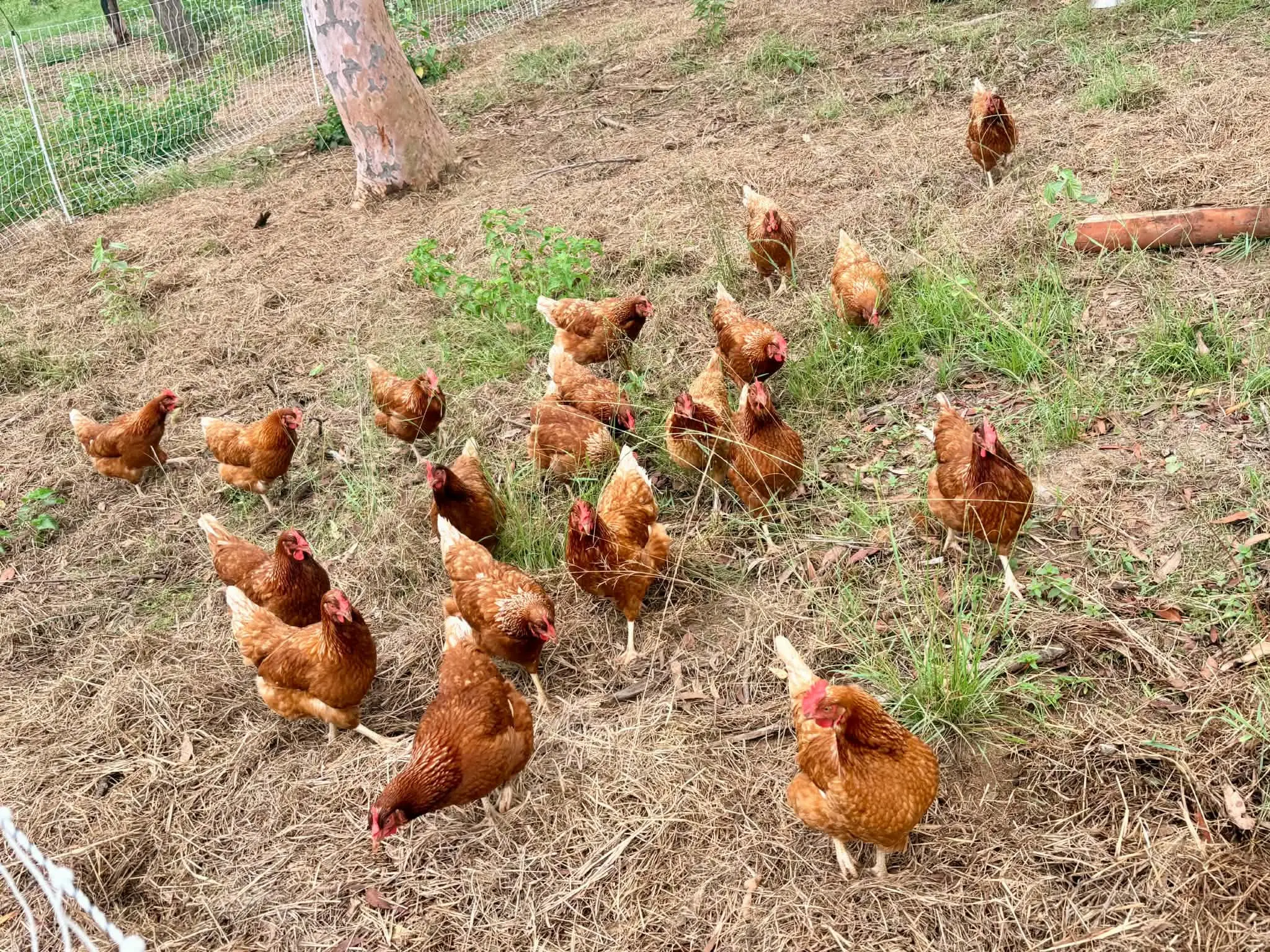
Animals do work
We like animals with a job.
Sheep harvest grass. Hens scratch through the pasture for seeds and bugs, and left in one spot too long they’ll tear it up, so the chicken caravan moves them on. Pigs disturb ground. Goats would happily tackle scrub all day if our fencing would let them.
Each animal does something differently, and the trick is putting that behaviour to work instead of fighting it.
They’re not machines, though. We know them, watch them and care for them.
Good employees still need looking after.
Build function, not dependence
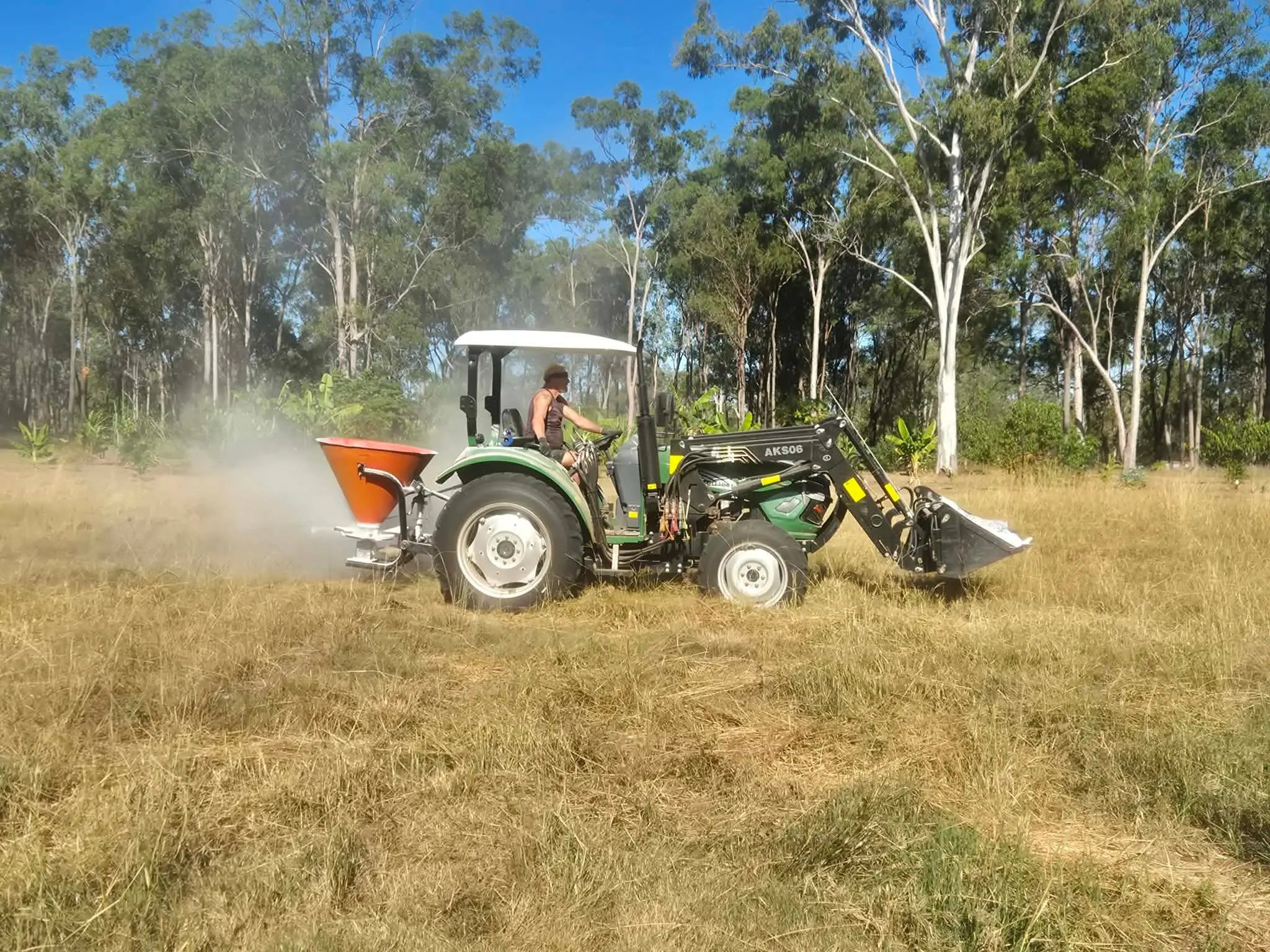
If we keep having to carry it, fix it, feed it or prop it up, eventually we ask why.
Sometimes an input is exactly what’s needed. Sometimes an animal needs treatment. Sometimes the soil is short of something and we correct it.
But we’d rather fix the reason than buy the same answer forever. Hay is the one we think about most. Every winter we buy it in, and every winter so does everyone else.
The goal isn’t a farm with no inputs.
It’s a farm that needs less rescuing.
Watch what actually happens
Farming is full of people with answers. We listen to plenty of them, then see what this place says.
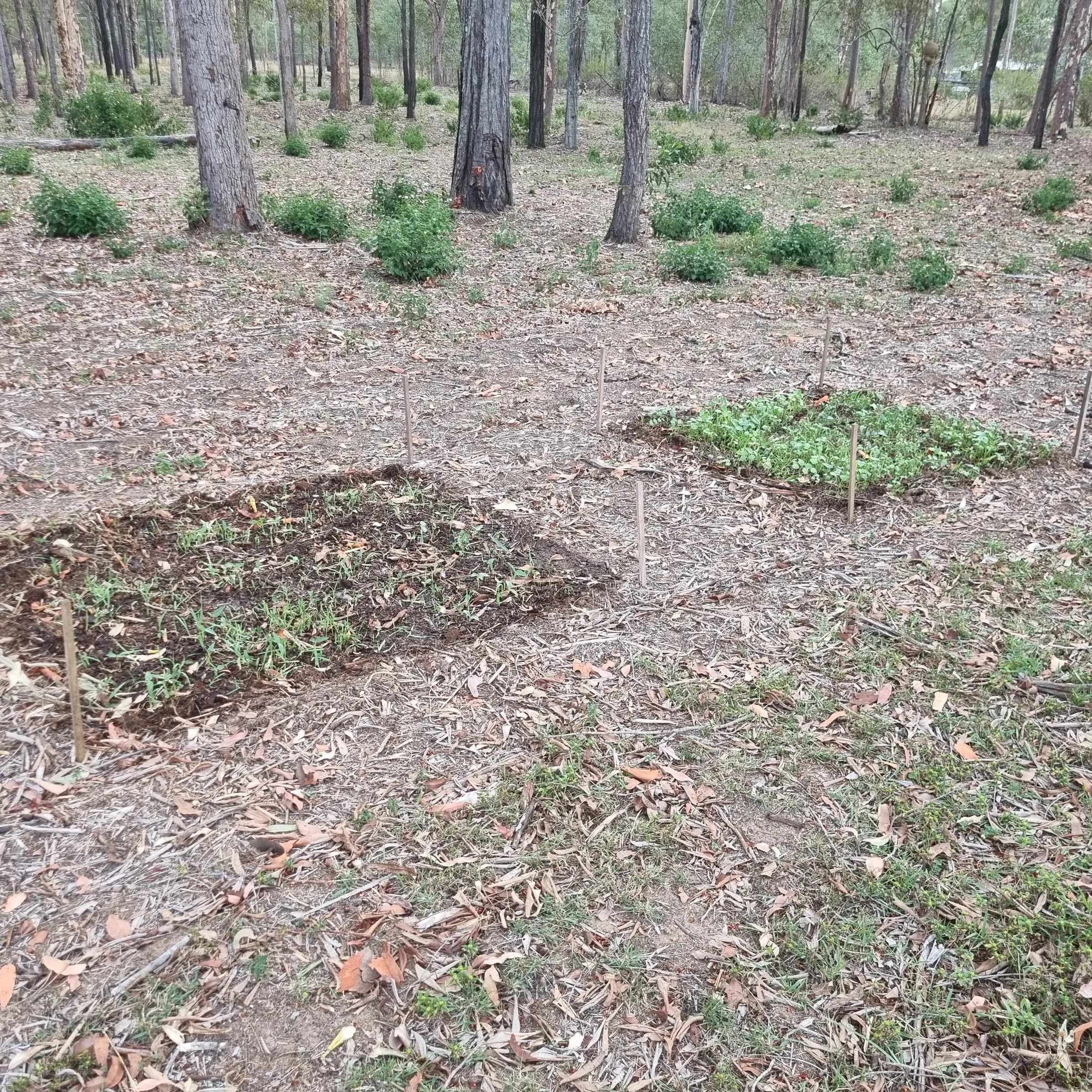
We were told bird seed is a cheap way to get something green growing. We’d been buying premium seed, so we sowed both side by side. The premium seed did far better. We’d happily have paid less if there’d been no difference. There was, and we don’t mind paying for that.
A result isn’t a rule, though. The premium seed hasn’t kept up that early lead, so we’re back to trying things and watching what comes up. That’s most of farming, really.
Food we can stand behind
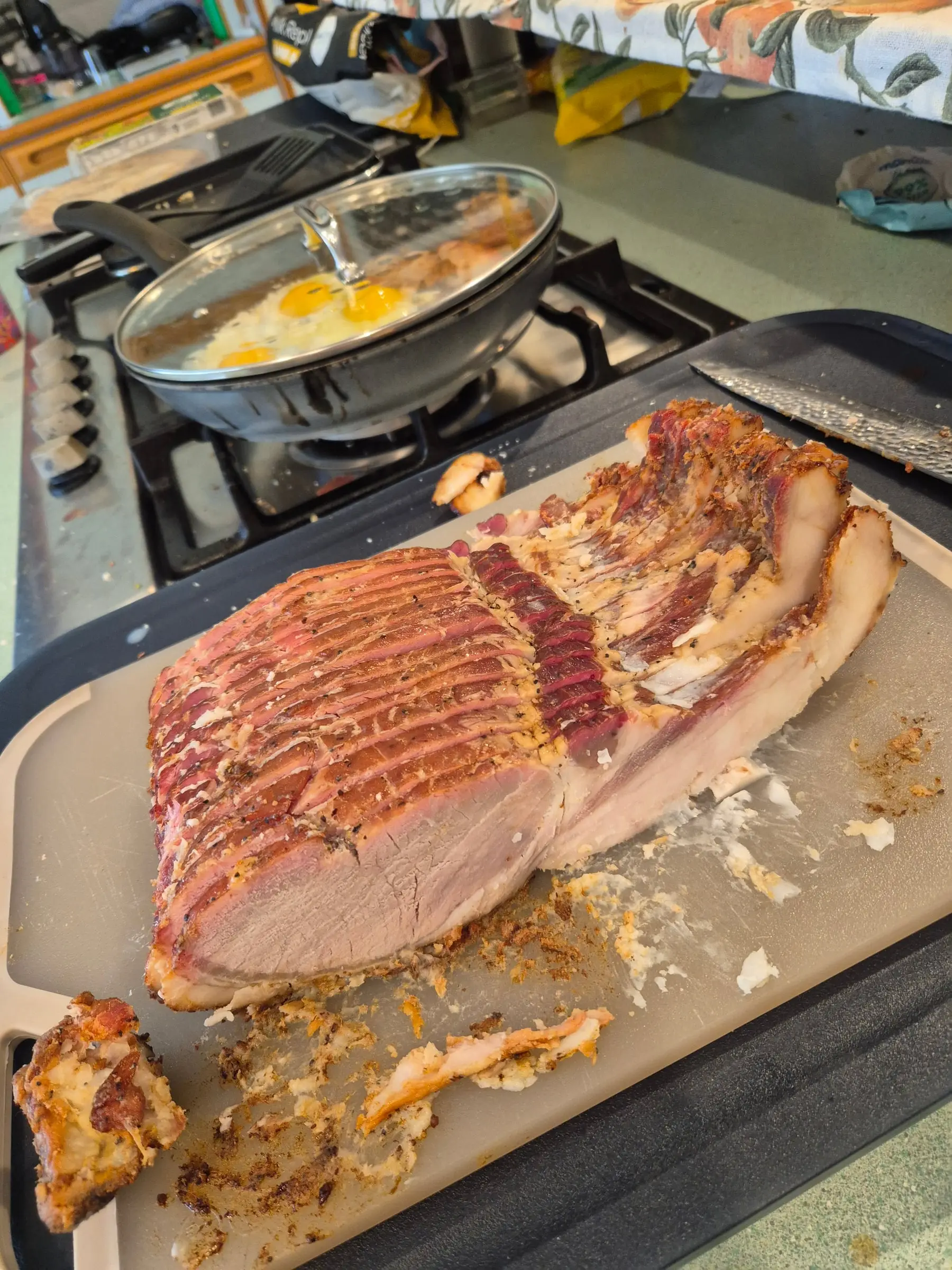
Crack one of our eggs beside a shop-bought one and the difference is obvious: the yolk is darker. They seem to behave differently in the kitchen too, in cakes and omelettes. We can’t fully explain why, but we know where they came from: hens on pasture, scratching for seeds and bugs, on land we’re trying to improve.
That’s what we’re after: food we feel good about putting on the table, from a system we understand well enough to know where the compromises are. More food isn’t automatically better. If the land suffers, the animals struggle, the work becomes ridiculous or the numbers stop making sense, something has gone wrong.
We want food with a story we’re happy to tell.
Where these ideas come from
If you’d like to go down the rabbit hole, these are good places to start.
- Gabe Brown, Dirt to Soil: a farmer’s own story, and the easiest place to start
- Joel Salatin
- Christine Jones
- Shawn and Beth Dougherty, One Cow Revolution
- Allan Savory and Holistic Management
- RCS Australia, especially its grazing and grazing-management training
- Peter Andrews’ Natural Sequence Farming