19 September 2026
September is the rug pull
March is when the farm makes us feel like we’ve got this.
Everything is green. Grass is growing. Feed feels abundant. Moving animals is easy because there’s somewhere obvious to move them to. You can look across the paddocks and feel quietly pleased with yourself.
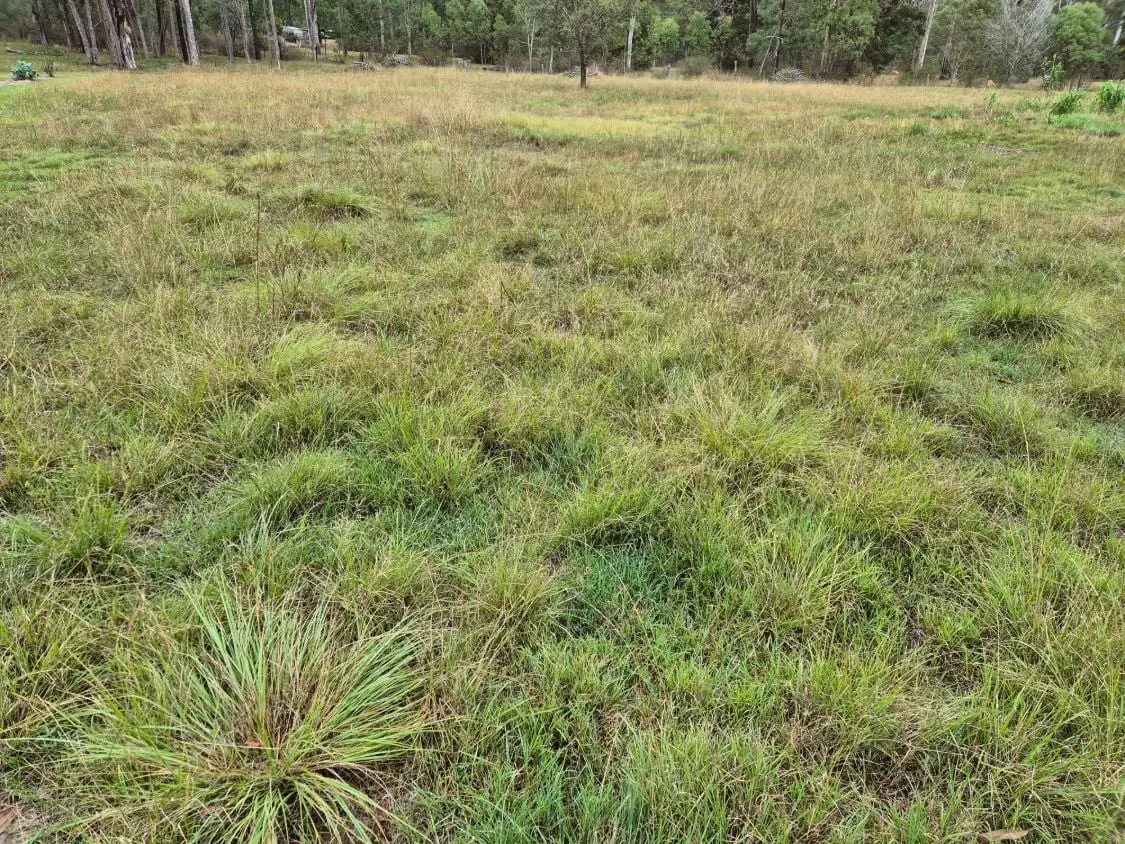
Then July, August and September pull the rug out.
By September, winter has taken its toll. The grass that looked fine for months has finally run out of moisture. Paddocks go brown. You’re feeding hay, hoping for rain and discovering that everyone else is looking for hay at exactly the same time.
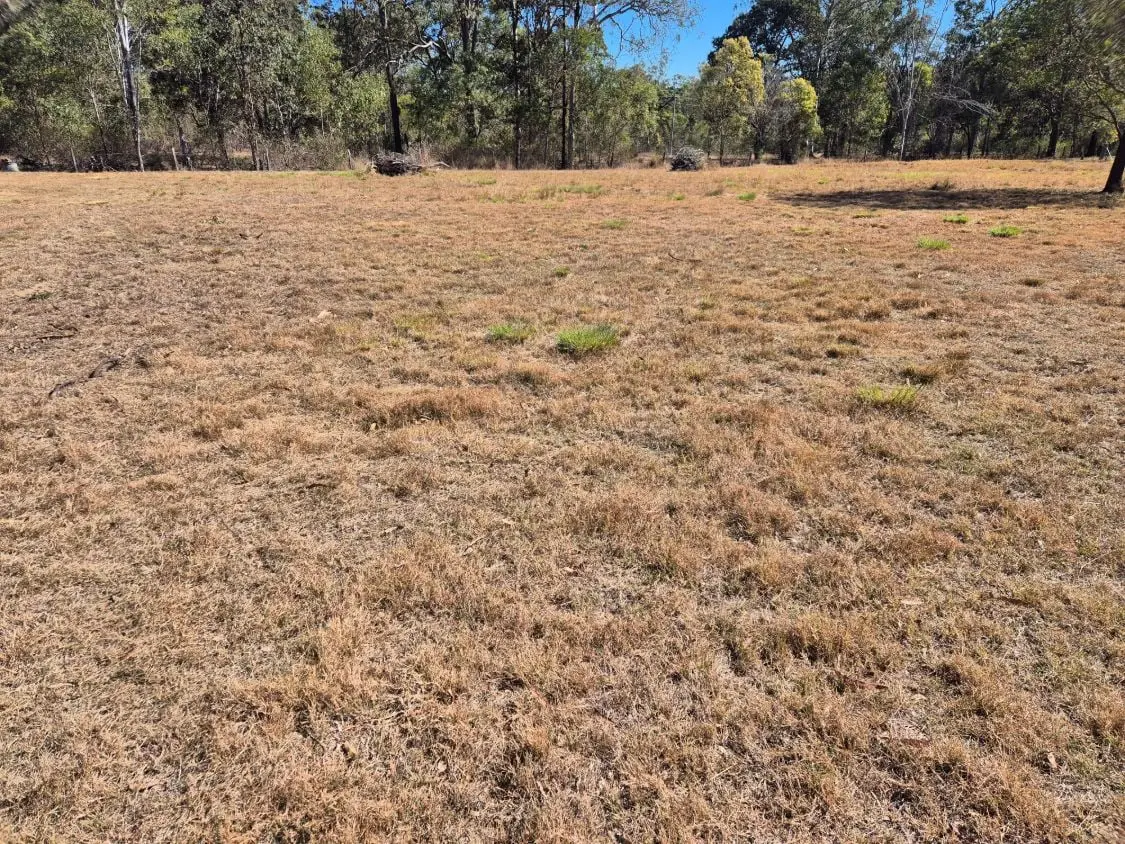
Spring is supposedly here, which somehow makes it worse. The days warm up. A few plants start moving. Everything about the calendar says the farm should be waking up again, while everything outside the window says otherwise.
This is also when we take one of our regular sets of farm photos, and that’s becoming more important than we expected. When you see a place every day, you stop seeing gradual change. Memory is terrible at telling you whether a paddock is genuinely better than it was six months ago. Photos are less polite.
March shows us what the farm can look like when conditions are helping.
September shows us what it can actually carry when they aren’t.
That’s the condition we really want to improve. Making March greener isn’t much of an achievement if the whole system falls over at the end of winter. We want more plants still doing something in September, more water staying in the landscape, less dependence on hay, and fewer months spent watching the sky.
Rain now won’t necessarily mean we’ve made it through, either. We can still get a false spring: enough rain and warmth to green everything up, followed by another dry stretch that takes it away again.
This year that feels harder to ignore. The Bureau of Meteorology says a strong El Niño is underway and may strengthen further, though it’s careful to add that a strong El Niño doesn’t translate neatly into how much rain any one place will get. The spring bushfire outlook has parts of south-east Queensland at increased risk, and our local rural fire brigade is already training for it.
So we’re taking the ugly photos too.
Hopefully, years from now, September is the set we look back on and notice the biggest change.